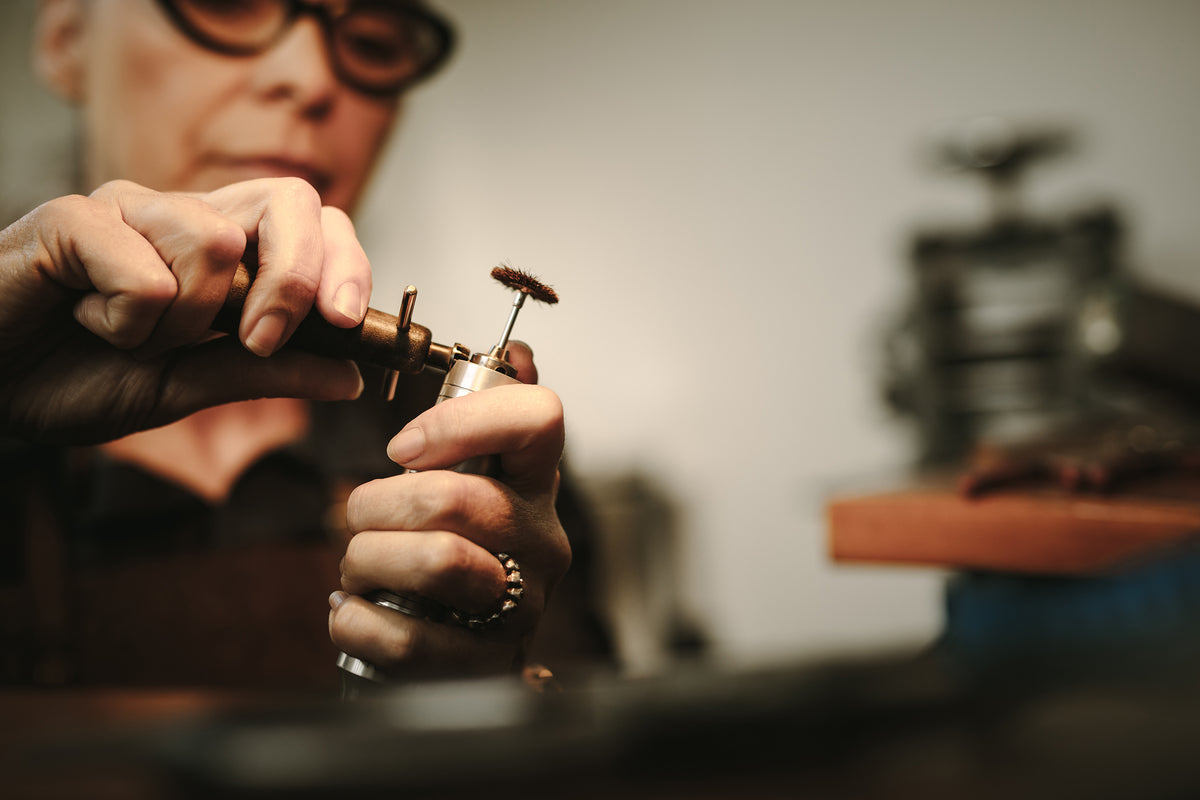
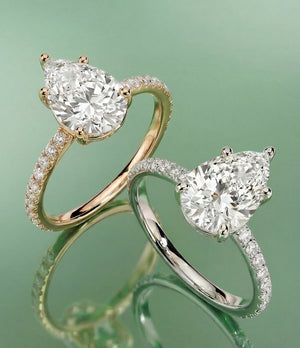
Fingers polishing a bezel-set pear diamond ring in yellow gold with a green cloth

Education 9 min read Updated

How to Care for Your Engagement Ring

This guide covers the everyday habits, cleaning routines, and professional care practices that will keep your Mine and Grown ring looking exactly as it did the day you first wore it.

To care for an engagement ring, take it off before bed, showers, workouts, swimming, cleaning and DIY projects. Clean it at home about once a week in warm water with a few drops of mild dish soap and a soft toothbrush, and have a jeweler inspect the prongs and clean it professionally about every six months. A white gold ring also needs its rhodium plating refreshed every one to two years.

The experts you can trust: Mine and Grown's care guides are developed in collaboration with jewelry experts and reviewed for accuracy before every publication.

Why Your Engagement Ring Needs Consistent Care

Why Your Engagement Ring Needs Consistent Care

A well made engagement ring is built to last a lifetime, but lasting beautifully requires a little intention. Diamonds are extraordinarily hard, but the metal settings, pavé accents, and gemstone surfaces that surround them are more vulnerable than most wearers realize.

The oils from your skin, the residue from hand cream, the chlorine in a swimming pool, none of these are catastrophic on their own, but accumulated over months and years, they quietly work against your ring's brilliance and structural integrity.

Consistent care does three things:

  • it preserves the sparkle that drew you to the ring in the first place,
  • it protects the setting from the kind of gradual wear that leads to loose prongs and lost stones
  • it reduces the risk of damage or loss during activities where the ring simply doesn't belong.

Whether your ring features a natural diamond, a lab grown stone, or a colored gemstone, the principles are the same.

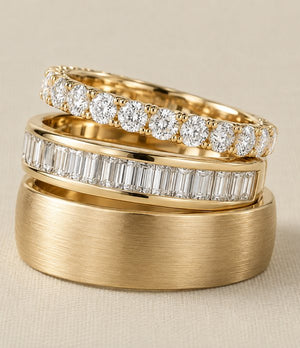
A hand wearing a green emerald-cut gemstone ring and an eternity band of emerald-cut diamonds in yellow gold

Daily Household Activities

  • Before bed. It seems minor, but sleeping with your ring on creates more wear than most people expect. A restless night can bend prongs against the mattress, snag the setting on sheets, or gradually distort a delicate band. Make removing your ring part of your bedtime routine and you will extend its life considerably.
  • Before doing laundry. Laundry detergents contain enzymes and chemicals that can dull metal finishes and leave residue in your ring's setting. There is also the very real risk of a ring slipping off unnoticed into the drum, where it can be damaged by the tumbling motion or lost entirely in a pile of clothing.
  • Before showering. Soaps, shampoos, and conditioners all leave a thin film on diamond surfaces that builds up with each wash, gradually clouding the stone's brilliance. A diamond that sparkled brilliantly when clean can look noticeably duller after a few weeks of shower residue. Thirty seconds to remove your ring before stepping in is well worth it.
  • Before doing any heavy carrying or moving. Lifting furniture, carrying boxes, or rearranging heavy objects puts direct pressure on the band and setting in ways that everyday wear does not. A single impact against a hard edge can bend a prong or chip a stone. When a task requires real physical force, take the ring off first.


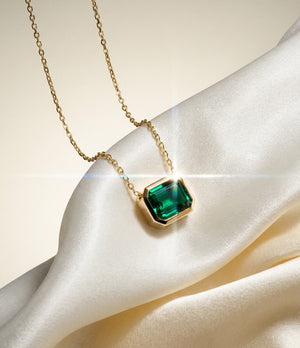
A diamond engagement ring on a marble counter beside a glass of water and a lighter

Water and Chemical Exposure

  • During any DIY or home improvement project. Paint, solvents, varnish, adhesives, and grout all contain chemicals that can bond to metal surfaces or stain certain gemstones permanently. Even a small splash of paint on a pavé setting can be extremely difficult to remove without professional intervention. Any project involving chemicals, tools, or rough materials is a project your ring should sit out entirely.
  • Before swimming. Pool chlorine is a genuine threat to precious metals, weakening gold alloys over time and potentially affecting the integrity of certain settings. Cold water is an equally real risk for a different reason: it causes fingers to contract, and a ring that fits perfectly at room temperature can slip off silently in a cold pool or ocean. Remove your ring before any swim.
  • When using a hot tub or sauna. The combination of high heat, chlorine, and prolonged water exposure makes hot tubs particularly damaging to engagement rings. Heat causes metal to expand and contract, which can loosen stones in their settings over time. Saunas carry a similar risk — the intense dry heat stresses metal in ways that are not immediately visible but accumulate with repeated exposure.
  • When using cleaning products. Bleach, ammonia, and the various chemicals in household cleaners can discolor and corrode metal settings and, in the case of certain gemstones, damage the stone's surface directly. Gloves help, but the safest approach is to remove your ring before cleaning begins.
Physical and Outdoor Activities

Physical and Outdoor Activities

  • During travel and transit. Handling luggage, gripping overhead bars on public transport, and navigating busy airports all increase the physical demands on your hands. Travel also raises the stakes of any loss or damage since you are further from home and your usual resources. Many people choose to leave their ring at home entirely when traveling and wear a simple substitute instead.
  • During exercise. Grip heavy workouts, weight training, cycling, rock climbing, yoga, subject your ring to the kind of compressive and abrasive forces it was not designed to withstand. Prongs can bend against barbells. Bands can scratch against equipment. Stones can work loose from repeated impact. Leave your ring in a secure place before any workout.
  • During any water based outdoor recreation. Kayaking, paddleboarding, surfing, and fishing all combine the risks of cold water, physical exertion, and unpredictable movement. The chance of a ring slipping off into open water, where recovery is essentially impossible, makes these activities ones where the ring should always stay on shore.
  • During gardening or manual labor. Soil is abrasive. Tools are harder than gold. The combination of digging, gripping, and lifting puts your ring at real risk of surface scratches, bent prongs, and stones knocked loose. It is also surprisingly easy to lose a ring in a garden bed, so leave it inside before you head out.
Cleaning Your Ring at Home

Cleaning Your Ring at Home

A gentle clean once a week keeps your ring sparkling between professional cleanings. Soak it for twenty to thirty minutes in warm water with a few drops of mild dish soap, then brush it gently with a soft-bristled toothbrush. Pay particular attention to the underside of the stone and the gaps around the prongs, where lotion and skin oils collect.

Rinse under warm running water with the drain closed, then pat dry with a soft, lint-free cloth. Avoid toothpaste, baking soda, and household cleaners, which can scratch metal or leave a film behind. Skip at-home ultrasonic cleaners for pavé and vintage-style rings, and for any ring set with pearls or softer gemstones, because the vibration can loosen small stones or damage delicate ones. If a white gold ring starts to look slightly warm in tone, the rhodium plating is wearing thin. That is a job for your jeweler, not harder scrubbing.

A jeweler examining a diamond engagement ring through an eye loupe

Professional Care: Inspections, Prongs, and Re-plating

Even with careful daily habits, every ring benefits from a professional check. Every six months is a good baseline for a professional cleaning and inspection. A jeweler will examine each prong under magnification, confirm that the center stone and any accent stones are seated securely, and clean the parts of the setting a toothbrush cannot reach.

Prongs wear down slowly with everyday contact, and a worn or bent prong is the most common reason a stone comes loose. Catching it early means a quick repair rather than a lost diamond. White gold rings also need their rhodium plating refreshed every one to two years to keep their bright white finish.

Between checks, look over your ring yourself. If you notice it catching on clothing, or the stone seems to move when you touch it, stop wearing it until a jeweler has checked it.

Engagement Ring Care FAQ

How do you take care of an engagement ring?

Take it off for household chores, workouts and anything involving chemicals. Clean it at home about once a week by soaking it for twenty to thirty minutes in warm water with a few drops of mild dish soap, then brushing it gently. Have a jeweler inspect and professionally clean it about every six months.

How do you clean an engagement ring at home?

Soak it for twenty to thirty minutes in warm water with a few drops of mild dish soap, then brush it gently with a soft-bristled toothbrush, paying attention to the underside of the stone and the gaps around the prongs. Rinse it under warm running water with the drain closed and pat it dry with a soft, lint-free cloth. The same routine works for earrings, necklaces and bracelets: see How to Take Care of Your Diamond Jewelry.

What should I not use to clean my engagement ring?

Avoid toothpaste, baking soda and household cleaners such as bleach and ammonia, which can scratch metal, leave a film behind or discolor the setting. Skip at-home ultrasonic cleaners for pavé and vintage-style rings and for rings set with pearls or softer gemstones, because the vibration can loosen small stones or damage delicate ones.

Should I wear my engagement ring every day?

You can, and many people do, but daily wear is most sustainable when you have built the habit of removing it during high risk activities. A ring worn every day with thoughtful care will outlast one worn carelessly any day of the week.

Should I sleep with my engagement ring on?

It is better not to. A restless night can bend prongs against the mattress, snag the setting on sheets or slowly distort a delicate band, so make taking your ring off part of your bedtime routine.

Can I shower with my engagement ring on?

We advise against it. Soap, shampoo, and conditioner build up on diamond and gemstone surfaces over time, dulling their brilliance. It takes less than a minute to remove your ring before stepping in, and that habit will make a visible difference in how consistently your ring sparkles.

Is it okay to wash my hands with my ring on?

Occasional handwashing with a mild soap is generally fine. The concern is cumulative: frequent washing with harsh soaps, very hot water, or antibacterial formulas can wear down metal finishes over time, and soapy water does slightly increase the risk of a ring slipping off at the sink. When in doubt, take it off first.

Can I swim with my engagement ring on?

Take it off first. Pool chlorine weakens gold alloys over time, and cold water makes fingers contract, so a ring that fits at room temperature can slip off unnoticed in a pool or the ocean. The heat and chemicals of a hot tub can also loosen stones in their settings.

How often should my ring be professionally cleaned?

Every six months is a good baseline. If you wear your ring daily, you may want to have it cleaned more frequently, especially if you notice visible buildup around the setting or a loss of brilliance that home cleaning does not fully restore.

How often does a white gold ring need re-plating?

Every one to two years. White gold is plated with rhodium for its bright white finish, and when the ring starts to look slightly warm in tone, the plating is wearing thin. A jeweler can refresh it; we care for Mine & Grown pieces at cost, charging only for materials and labor.

What's the biggest mistake people make with ring care?

Inconsistency. The habits that protect a ring, removing it before the gym, before bed, before cleaning, are easy to build but also easy to skip. The damage from any single skipped occasion is minimal; the cumulative effect of months of inconsistency is where rings lose their brilliance and settings begin to suffer.

What is prong retipping, and when does a ring need it?

Retipping is a repair in which a jeweler adds metal to rebuild a worn prong tip. A ring usually needs it when prongs look thin or flattened, catch on clothing or hair, or look shorter than the others. If the stone feels loose, stop wearing the ring and see a jeweler right away. If a prong's base is thin or cracked, the jeweler will build a new prong instead.