Education 6 min read

A Complete Guide to Choosing the Perfect Diamond Jewelry

Everything to Know Before You Choose a Piece

Start with what the piece is for and how often it will be worn, set a budget, then choose the diamond by the 4 Cs with cut first, and match the metal and setting to the wearer's style and lifestyle. This guide walks you through each step, with what matters most for studs, pendants, tennis bracelets and rings.

The experts you can trust: Mine & Grown guides are written with jewelry experts and reviewed for accuracy. Questions about a specific piece? Our team is happy to help.

Start With the Occasion and the Wearer

Start With the Occasion and the Wearer

The right piece depends on how it will be worn. An engagement ring or a pair of studs worn every day needs a secure, low-maintenance setting. A statement necklace for special occasions can be more delicate and dramatic.

  • Everyday pieces: studs, a solitaire pendant or a simple band. Choose secure settings and durable metals.
  • Milestone pieces: engagement rings, anniversary bands and tennis bracelets. Worth investing in the best cut you can afford.
  • Special-occasion pieces: drop earrings and statement necklaces, where design can take the lead.

Then think about style. Someone who wears minimal, clean jewelry will rarely reach for a large halo, and someone who loves vintage pieces may prefer milgrain and yellow gold. Look at what they already wear.

The 4 Cs of Diamonds in Plain Terms

The 4 Cs of Diamonds in Plain Terms

Every diamond is graded on four characteristics. Knowing which ones you can see, and which ones you mostly pay for, is the key to good value.

  • Cut decides how much a diamond sparkles. It has the biggest effect on beauty, so put it first.
  • Color measures how colorless a diamond is, from D (colorless) down the alphabet. Near-colorless grades look white to most eyes, especially in yellow or rose gold.
  • Clarity grades tiny internal inclusions. An eye-clean VS or SI diamond looks the same as a far higher grade to the naked eye.
  • Carat is weight, not size. Two diamonds of the same carat weight can look different sizes depending on their cut and shape.
Read the 4 C’s Guide

The 4 Cs at a Glance

The CWhat It MeasuresWhere You Can SaveWhere Not to Compromise
CutHow well the diamond returns lightRarely worth saving onChoose an excellent or ideal cut
ColorHow colorless the diamond is (D to Z)Near-colorless grades, especially in yellow or rose goldVery visible color in white metals
ClaritySize and number of inclusionsEye-clean VS and SI gradesInclusions you can see without magnification
CaratWeight, not sizeJust under round numbers, e.g. 0.9 instead of 1.0A shallow or deep cut that looks smaller than its weight
How to Choose by Type of Jewelry

How to Choose by Type of Jewelry

The same diamond can be a great choice in one piece and the wrong choice in another. Here is what matters most for each type.

Stud earrings

Studs are listed by total carat weight, so a 1 carat pair is two diamonds of about half a carat each. Make sure the two stones match in size and color, and choose secure backs for everyday wear.

Pendants and necklaces

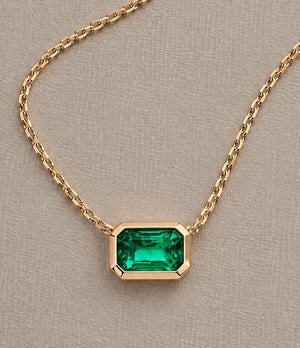
A solitaire pendant shows off one diamond, so cut matters most. Pick a chain length that sits where you want it, and check that the clasp is sturdy.

Tennis bracelets

With many small stones, consistency in color and sparkle matters more than any one grade. The clasp and safety latch are just as important as the diamonds.

Rings

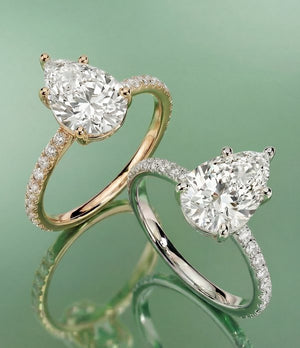
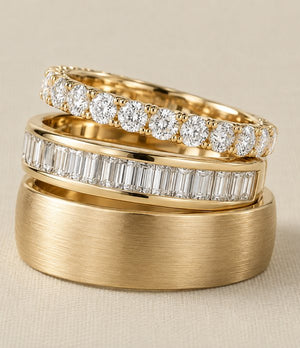
For engagement rings and bands, think about how the setting holds the stone, how high it sits and whether it suits the wearer's hands and lifestyle. Get the ring size right before you buy.

What Matters Most for Each Piece

PieceFocus OnPopular SettingsGood to Know
Stud earringsMatching size and color across the pairFour-prong, three-prong, bezelListed by total carat weight for both earrings
PendantsCut and sparkle of a single stoneSolitaire, bezel, haloChoose the chain length and clasp with care
Tennis braceletsConsistent color and sparkle across all stonesFour-prong, bezelA secure clasp with a safety latch is essential
Engagement ringsCut first, then shape and sizeSolitaire, pavé, halo, three-stoneGet the ring size before you buy
Choosing the Right Metal

Choosing the Right Metal

The metal sets the tone of the piece and decides how it wears over time.

  • Yellow gold is warm and classic, and it flatters near-colorless diamonds.
  • White gold is bright and modern. It is rhodium-plated, so it needs re-plating every one to three years.
  • Rose gold is soft and romantic, and it suits warm skin tones and vintage styles.
  • Platinum is naturally white, dense and durable, and it needs no plating, but it costs more.

For pieces worn every day, 14K gold is harder and more scratch-resistant than 18K, while 18K has a richer color and higher gold content.

Compare 14K, 18K and Platinum
Natural or Lab Grown Diamonds?

Natural or Lab Grown Diamonds?

Lab grown diamonds are chemically, physically and optically identical to natural diamonds, and the same gemological institutions grade them to the same standards. The difference is origin and price: a lab grown diamond usually costs much less than a natural diamond of the same size and quality.

That means the same budget can buy a larger or better-cut lab grown diamond, which is why many couples now choose lab grown for engagement rings, studs and tennis bracelets. A natural diamond suits buyers who value its geological origin and rarity.

Natural vs Lab-Grown Diamonds
How to Set a Budget and Buy With Confidence

How to Set a Budget and Buy With Confidence

Decide what you are comfortable spending before you start looking, then spend it where you can see it: on cut first, then on size.

  • Ask for a certificate. A grading report from an independent lab such as IGI or GIA confirms the 4 Cs.
  • Look at the diamond, not just the grades. Photos and videos show you how it actually sparkles.
  • Check the policies. Look for clear returns, resizing and warranty terms before you buy.
  • Ask questions. A good jeweler will explain the trade-offs and help you compare options.

Choosing Diamond Jewelry FAQ

How do I choose the right diamond jewelry?

Start with the occasion and how often the piece will be worn, set a budget, then choose the diamond by the 4 Cs with cut first, and pick a metal and setting that suit the wearer's style and lifestyle.

Which of the 4 Cs is most important?

Cut. It has the biggest effect on how much a diamond sparkles, while small differences in color and clarity are often invisible to the naked eye.

What diamond jewelry is best for everyday wear?

Stud earrings, a solitaire pendant and low-profile rings in secure settings, such as bezels or well-made prongs, in a durable metal like 14K gold or platinum.

What does total carat weight mean for earrings?

It is the combined weight of both diamonds. A pair of 1 carat total weight studs has two diamonds of about half a carat each.

Are lab grown diamonds real diamonds?

Yes. They are chemically, physically and optically identical to natural diamonds and are graded to the same standards. They are not simulants like cubic zirconia or moissanite.

We're Here for You, Wherever You Are

Book a video or phone appointment and we'll curate it just for you.

Book an Appointment